.jpg)
January 2023 edition of The Organ Manual Magazine!
Those who have followed the development of The Organ Manual will know that in September 2019 the website was created. Social media had already been used for a year or so to promote organ related information but the website offered a whole host of new opportunities.
Welcome to the January 2023 edition of The Organ Manual Magazine!
The purpose of the site was to bring all things organ to one site, to help everyone, but especially those new to the organ world, to find the
information they needed without having to search site after site. It was developed and created through hours of research which started with a project I put together, ‘Inspiring Organists of the Future – Does More Need to be Done?’ along with determination, drive, tears and tantrums. The hard work was worth it though, the result being something I felt I could be truly proud of.
the project developed and in 2021 I wrote ‘Since its creation nearly two years ago, The Organ Manual website has gone from strength to strength, with a loyal following as well as new visitors on a regular basis. Some days I am simply stunned when I look at the stats and over a hundred people have not only visited but been active on the site. It makes me proud and humbled, but it also highlights the fact that there is demand for what The Organ Manual does.’
Of course there are plenty of magazines that feature the organ, but this one would be different. How? Well, first and foremost it would be free to access with no membership or subscription required to access it. The first magazine was published in September 2021 and was so well received. Kind, generous and warm mails flooded in, the response was quite frankly overwhelming. Four publications have followed and all have been equally well received as the information is varied and relevant. Some people have even gone so far as to tell me they have cancelled subscriptions to other magazines because of the offering through The Organ Manual!
At a similar time to the launch of the first magazine, I was having a long hard think about my future and where I wanted to focus my time and studies. It is no secret that in my early teens I hoped to read Music at University, be an organ scholar and go on to be a Director of Music in a Cathedral. However, Covid changed that idea. As I saw musicians struggle and my school and music lessons move to online, along with having considerably more time to think I realised my other passion, History, was my true calling. I received my GCSE results, selected my A Level subjects and started looking at Universities to read History rather than Music and so there was an element of back to the drawing board for me.
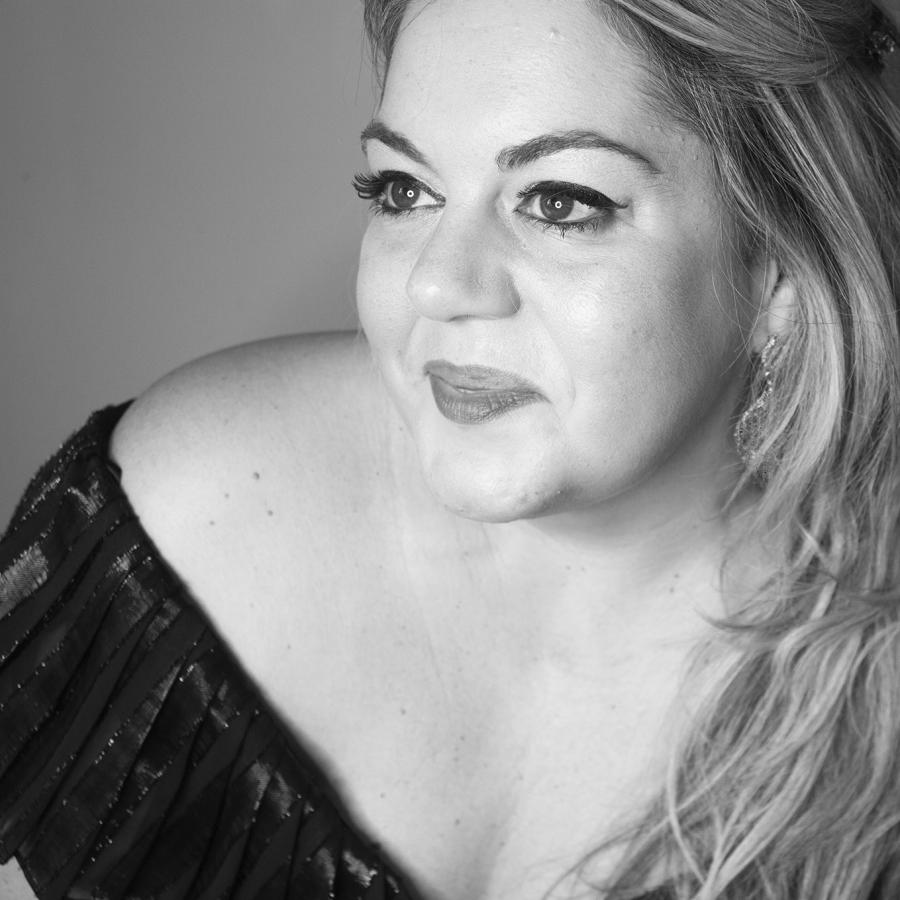
In the last two years Music has become my hobby enabling History my passion. Of course my A Levels; History, Geography and Music along with an EPQ take much of my time. However, I now spend my spare time volunteering with the National Trust as a room steward at Dyrham Park, I research artefacts and write about them for Wiltshire Museum and enjoy Ancestry research. This change in direction for me has meant my time and dedication to The Organ Manual has had to reduce and so over the last few months I have been looking for someone with drive and passion for all things organ to take it on. I am thrilled Dr Rebekah Okpoti: The Girly Organist, has agreed to take on the role of Editor of the Organ Manual and take it to the next stage.
The January 2023 edition of the magazine has largely been curated by Rebekah and it is with this publication I say goodbye to The Organ Manual,exceptionally proud to have been its Founder.I know Rebekah will continue to grow and develop this, the site and the magazine and I am excited for its future.
It would be wrong for me to end this piece without saying thank you to a number of people. So thank you: To those who have followed my progress and The Organ Manual over the last few years To those who have offered me unbelievable opportunities include the RCO, RSCM, Church Times, The Church of England Newspaper and a number of organists up and down the country.
- To every single person who has written an article, for the blog and then the magazine
- To my parents for their support, especially with the magazine.
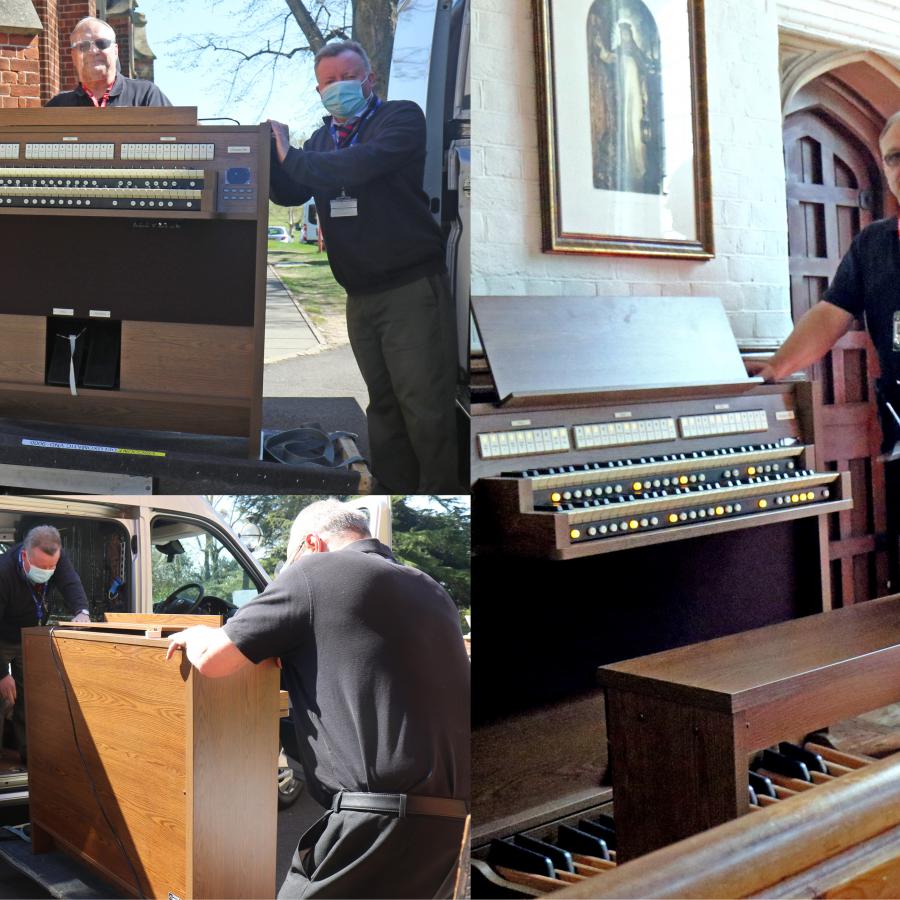
- To Aspire Organs for sponsoring the site and the magazine, your support has meant a great deal.
And finally, as my era at the helm of The Organ Manual ends, I hand the baton over to Rebekah with heartfelt thanks and appreciation for taking what started as a mad teenage project and developed into a national magazine and now she will develop it and take it to the rest of the world.
Best wishes and thank you
Anna x
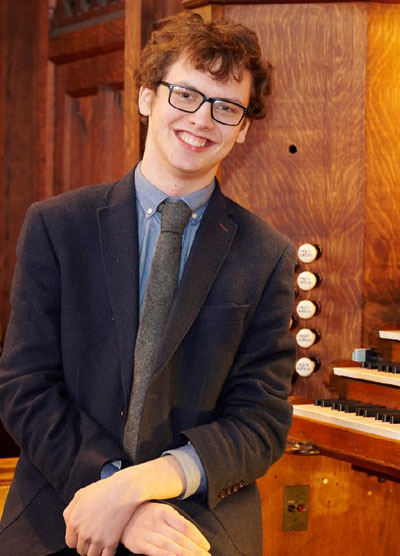 Who are you?
I’m Eben, I’m from Lancashire and I’m currently Coventry Cathedral organs scholar. Next academic year, I will be starting as organ scholar at Gonville and Caius College, University of Cambridge having recently been successful at the Cambridge Organ Trials.
How did you start playing the organ?
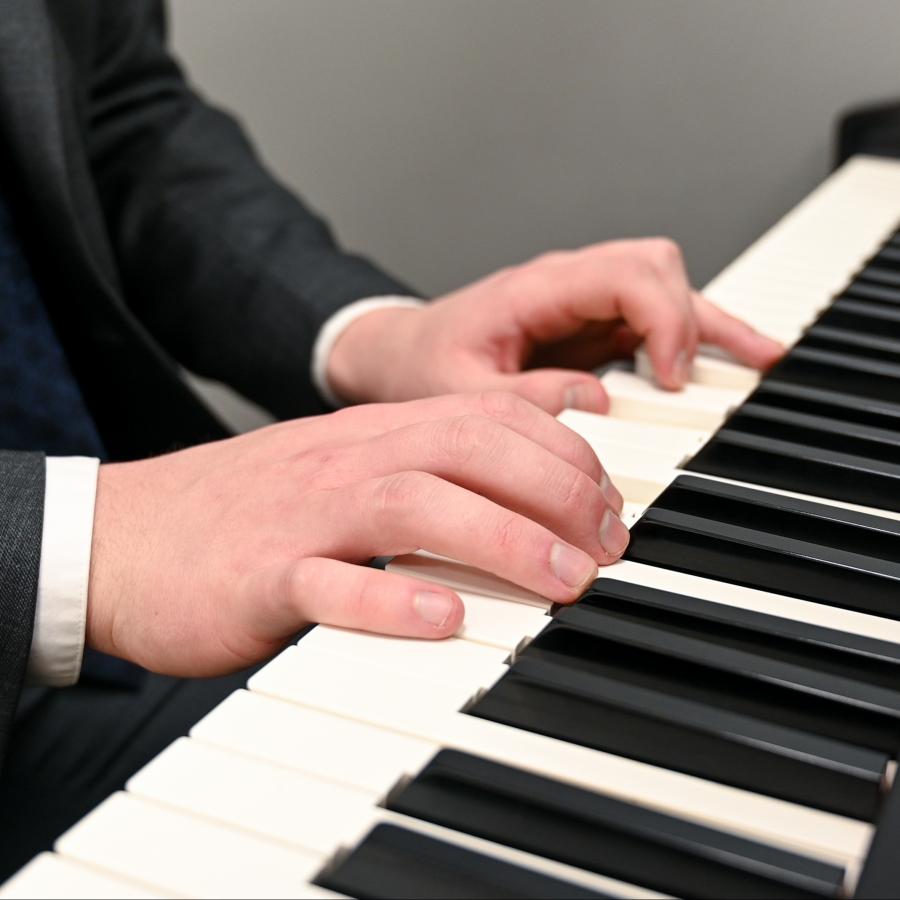
Like many organists, I transferred to the organ from the piano in September 2020 as a second study to percussion at the Junior RNCM, and it quickly took over as my primary focus leading to where I am now.
Things to know about the Cambridge Organ Trials?
Cambridge Organ Trials (and similarly the Oxford equivalent) is the process whereby candidates are selected for the organ scholarships offered by most of the Cambridge Colleges. It takes place over 3-4 days in mid-September, during which time you are auditioned on your organ playing, interviewed for the course you are applying to study, and for some subjects required to sit admissions tests.
You don’t have to be applying to study music to be an organ scholar – whilst many do study music, there are also many others on a vast range of other courses. It is an incredibly intense and demanding process, but nonetheless rewarding and enjoyable with the chance to meet many wonderful people.